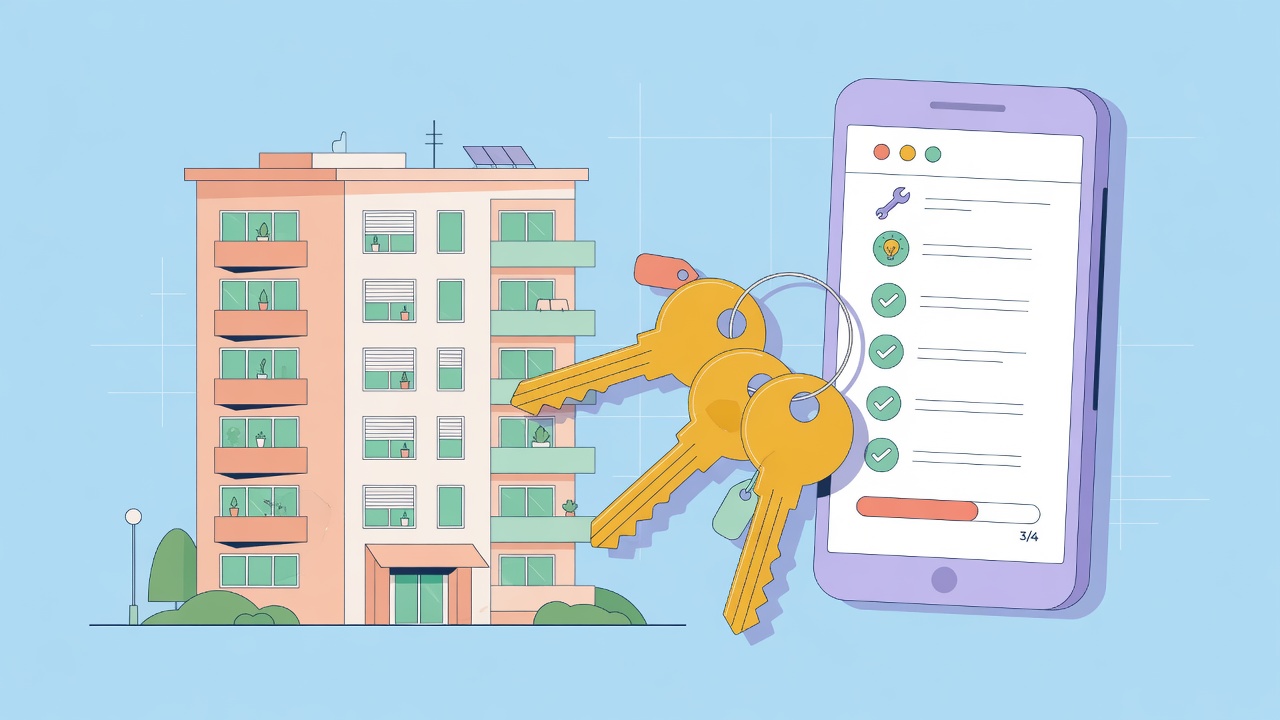
In other words, apps can take care of every aspect of property management turning troublesome processes into a well-oiled machine. A next-gen property management app minds all customers’ p’s and q’s transforming the way people manage properties, pay the rent or bills.
Icons made by
Zlatko Najdenovski from
www.flaticon.com Why should you build your own real estate management app?
There are dozens of available app solutions on the market like AppFolio or Buildium and they aren’t bad. But using a right-of-the-box software has its own pros and cons. Let’s find out all the reasons to invest and develop your rental property management app for small businesses.
No inefficient loses
The top property management apps take lot of time and money to seamlessly integrate into your business processes. When speaking about the major players like Buildium or AppFolio, they cost too high for any small business. Some hidden fees, maintenance and integration cost, regular payments may gobble down a lion’s share of your income.
Only the features you need
Taking advantage of a turnkey app solution, you have to pay for the features that you won’t ever use. It’s hardly possible to swipe and find a 100% match. Exactly the converse situation will prevail if you develop a custom iOS or Android property management app.
Scalable software solution
A turnkey app cannot grow together with your business. In case, you need additional functionality in the future, the app provider isn’t 100% likely to add the features you need. And when you develop a custom solution, you can add new features, scale the app anytime your business needs it.
Support for the right languages and currencies
Available app solutions have limited support of languages as well as currencies. It’s a bad idea to start using an app without the support of local currency and language.
Support the platforms you need
While developing a custom app, you can support only the platforms that you and your customers use. It may be all mobile platforms or only iOS or Android.
Independence
When you use any 3rd party software, you cannot change anything out of your subscription pack. Even when using SaaS solutions, you are still limited in customization options.
Yet, the best decision for your business is to build a custom Android or iOS property management app. At mova.io , we know how to make your business more productive. Drop us a line and we’ll find a way to ease your business processes.
Must-have features of real estate management app
These are some features that you should add to your Android or iPhone app for property management. Here are some must-have features to include into your MVP.
Payment
Accounting
Tenant and lease tracking
Budget planning
Maintenance reports
Applicant portal
State-of-the-art features to win over users
The features mentioned above make the core of your iOS or Android property management app. Here are some features that will add more value to your app:
Features for a property owner
Owner portal to access information on property easy and anytime
Investment widget for smart budget planning
Digital letters to create and send letters without overspending for printers and UPS services
Features for tenants
Digital documents to manage any document online and digital
Automated delivery to get packages without any hustle and bustle
Smart home to connect all your smart devices such as thermostats, lights, locks, and water sensors to a central property hub
Features for property managers
A handy calendar to keep all reservations in one place
In-app communication to send and answer SMS, emails, make in-app calls so nothing can get unnoticed
Workflow management to streamline work and make more for less time
Access to property listings to manage, edit, or publish new listings right from your property management app for landlords
Scheduled online tours to lease apartments faster
Automatic reminders to remember every aspect and not to miss anything
Dynamic pricing to set competitive rental rates and don’t miss the peak seasons
Differences between residential and commercial property management
Residential and commercial property management are different types of property management but they still have something in common.Both commercial and residential property management include:
Tenants
Contracts
Units to lease, maintain and manage
Different types of customers
Tenants renting a flat and tenants renting a warehouse are two different types of customers with their own needs. When it comes to residential property management, your app should be a sort of mediator between a landlord and a tenant.
Payments
Before developing an Android or iPhone app for property management, it’s vital to consider what payment method to add. For example, residential tenants have to pay rent and utility bills. Commercial tenants also have to pay the rent, but there are some bigger expenses called “three nets”. These payments include insurance, property taxes, and maintenance fees. So when residential tenants prefer paying in app, commercial tenants prefer paying in banks.
On-site management
While residential property management needs prompt replies, so a manager doesn’t have to be on site 24/7. A manager should be easy to reach. But when it comes to commercial property management, this may not work.
What does it cost to make a real estate management app?
It’s hardly possible to calculate the price without any details. The price of any software development process depends on three variables - time, features, app complexity. That’s why it’s impossible to provide the exact price out of the blue.contact us and we’ll send you a free estimate of your app project? So why not drop us a line and get an exact price for your app development?
What time does it take to develop a property management app?
Building an app for property management may take around X months when speaking about an MVP (Minimum Viable Product). Have you never heard about MVPs? Then we’ll get you covered.
When speaking about a property management app with 3rd party integrations and other advanced features, it may take up to X months. Need your app right here and now? Contact us and we’ll do our best to deliver an app solution for your business as soon as possible.
Final thoughts
Modern real estate platforms offer users to choose their way of interaction. They continuously work on improving the experience of managing properties. But sometimes turnkey software platforms don’t meet business needs. In this case, developing a custom property management app is your key to success.
Have a question? Just write to us at:
📮 mail@mova.io